Yves Albrecht · 25 November 2026
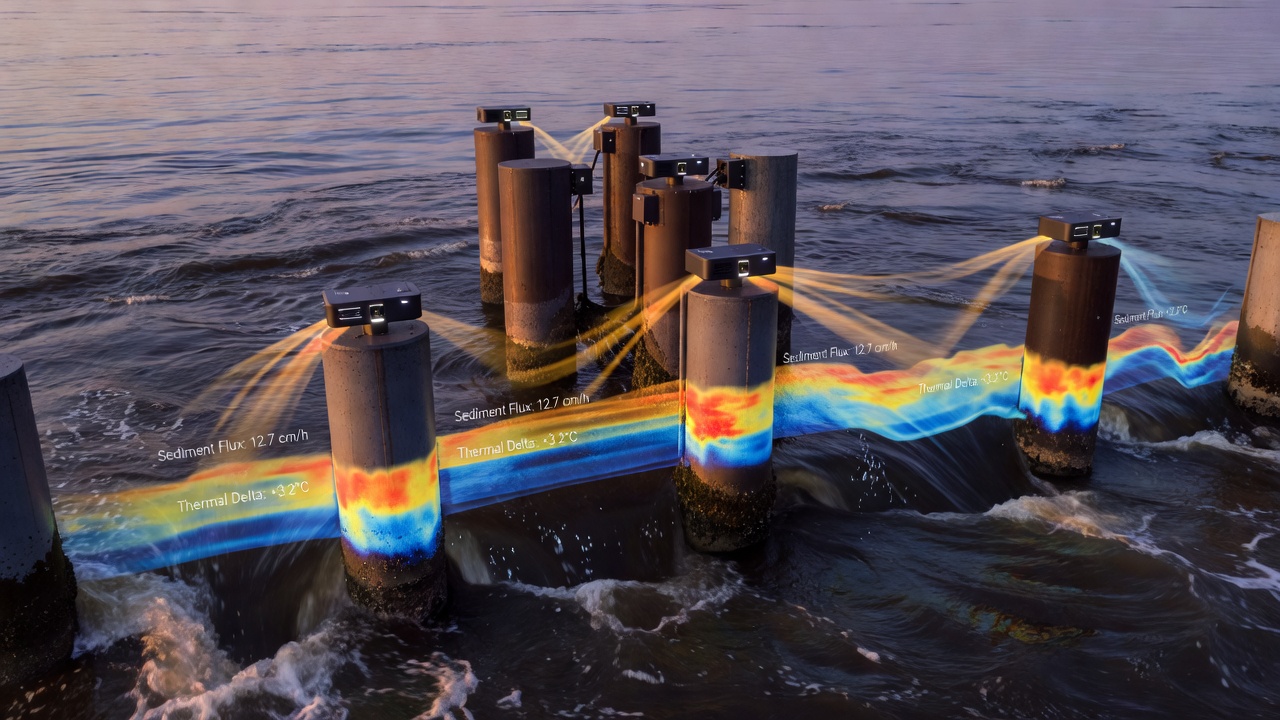
Thermal monitoring at the bases of pilings in river mouths has started to reveal patterns that point to sediment displacement beneath and around support structures, and this approach relies on temperature differentials created when moving sediment alters local heat transfer rates. Researchers at several coastal monitoring stations have recorded these shifts through sensors attached directly to piling surfaces, where cooler water currents carrying suspended particles produce measurable drops that differ from stable sediment layers. Data collected across multiple sites shows that active river mouths generate constant sediment transport, and thermal signatures change when sand or silt shifts expose new surfaces or bury sections of the piling. Observers note that these readings become particularly clear during periods of high discharge, when flow velocities increase and carry larger sediment loads past the structures.Monitoring Techniques in Estuarine Environments
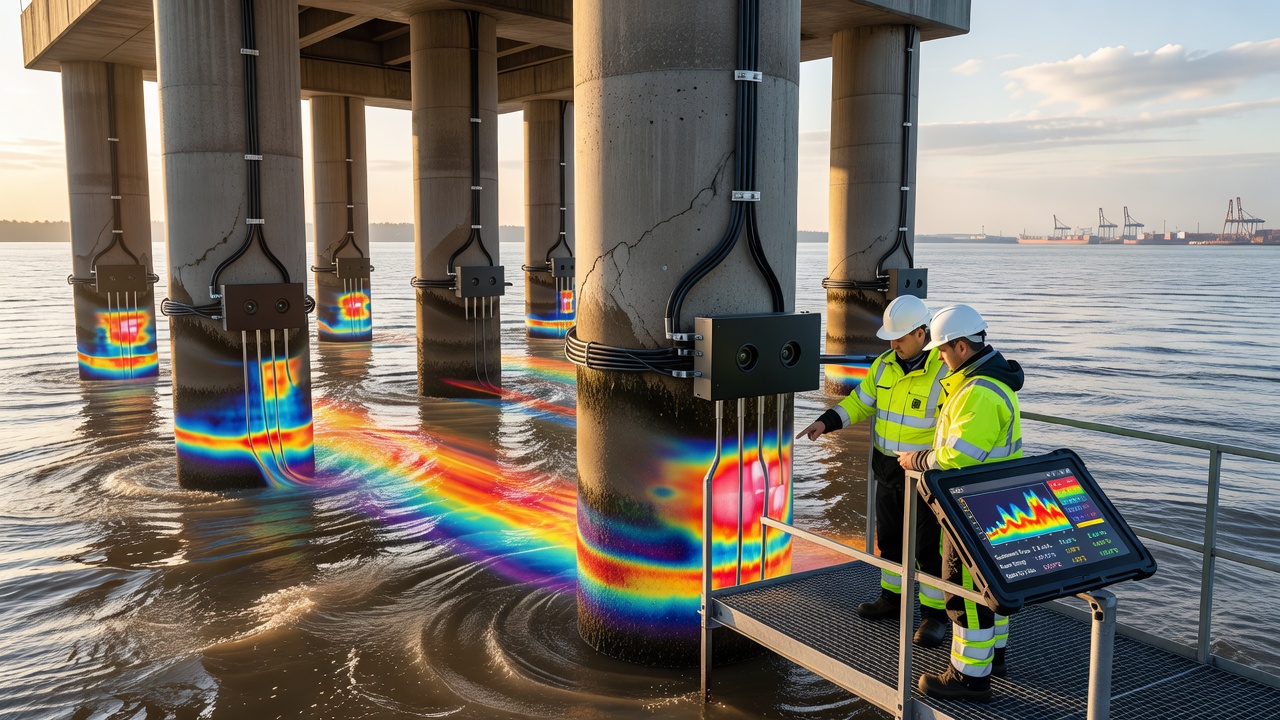
Engineers deploy infrared sensors at various depths along piling lengths to capture continuous temperature profiles, and the resulting datasets allow separation of sediment-related signals from tidal or seasonal water temperature cycles. Studies conducted by the United States Geological Survey indicate that sediment movement near piling foundations produces distinct thermal gradients that persist for hours after peak flow events subside.
Technicians calibrate equipment against known sediment types because fine silts retain heat differently than coarse sands, and this calibration step improves accuracy when interpreting field readings from mixed river mouth deposits. In November 2026, several monitoring arrays along the Pacific Northwest coast recorded simultaneous thermal anomalies at multiple piling clusters during a single storm surge, confirming that the method can track sediment redistribution across broader areas in real time.
Patterns Observed in Active River Mouths
Active river mouths experience bidirectional flow that repeatedly resuspends and redeposits material, and thermal readings capture these cycles through repeated warming and cooling phases at the piling base. One project along the Mississippi Delta documented temperature spikes followed by rapid declines that aligned with acoustic measurements of bedload transport, demonstrating that the two methods can cross-verify each other.
Figures from Australian coastal research programs reveal similar correlations at river entrances where dredging activity alters natural sediment pathways, and the thermal data helped distinguish dredging effects from background river processes. Those who've analyzed long-term records point out that persistent thermal anomalies often precede visible scour holes, giving maintenance crews earlier indicators of foundation exposure.
Integration with Existing Infrastructure Assessments
Port authorities have begun incorporating thermal piling data into routine inspection schedules because the method requires minimal diver time compared with traditional probing techniques. Canadian researchers at the National Research Council have combined thermal readings with structural strain gauges, and the paired datasets show that sediment removal events coincide with measurable changes in load distribution along the piling length.
European environmental agencies have tested the approach in tidally influenced river mouths where salt and freshwater mixing further complicates sediment behavior, and results indicate that thermal patterns remain detectable even when salinity gradients affect water density. The method therefore adds a layer of information that complements bathymetric surveys without replacing them.
Data Interpretation and Limitations
Interpreting thermal signals demands accounting for biofouling on sensor surfaces because marine growth can insulate pilings and mask underlying temperature changes. Teams address this by scheduling periodic cleaning cycles and by using protective coatings that still permit accurate readings.
Longer records from multiple seasons help separate sediment movement from other thermal influences such as solar heating during low tide exposure or cold freshwater inflows after heavy rainfall. According to reports compiled by the Commonwealth Scientific and Industrial Research Organisation, combining thermal data with current velocity measurements reduces false positives and improves confidence in sediment transport estimates.
Conclusion
Thermal readings at piling bases continue to supply new indicators of sediment dynamics in active river mouths, and ongoing deployments show that the technique scales across different river systems when properly calibrated. Continued collection of simultaneous datasets from varied geographic locations will further refine the interpretation models used by coastal engineers and infrastructure managers.